Gicumbi District emerges as a beacon of progress in Northern Rwanda
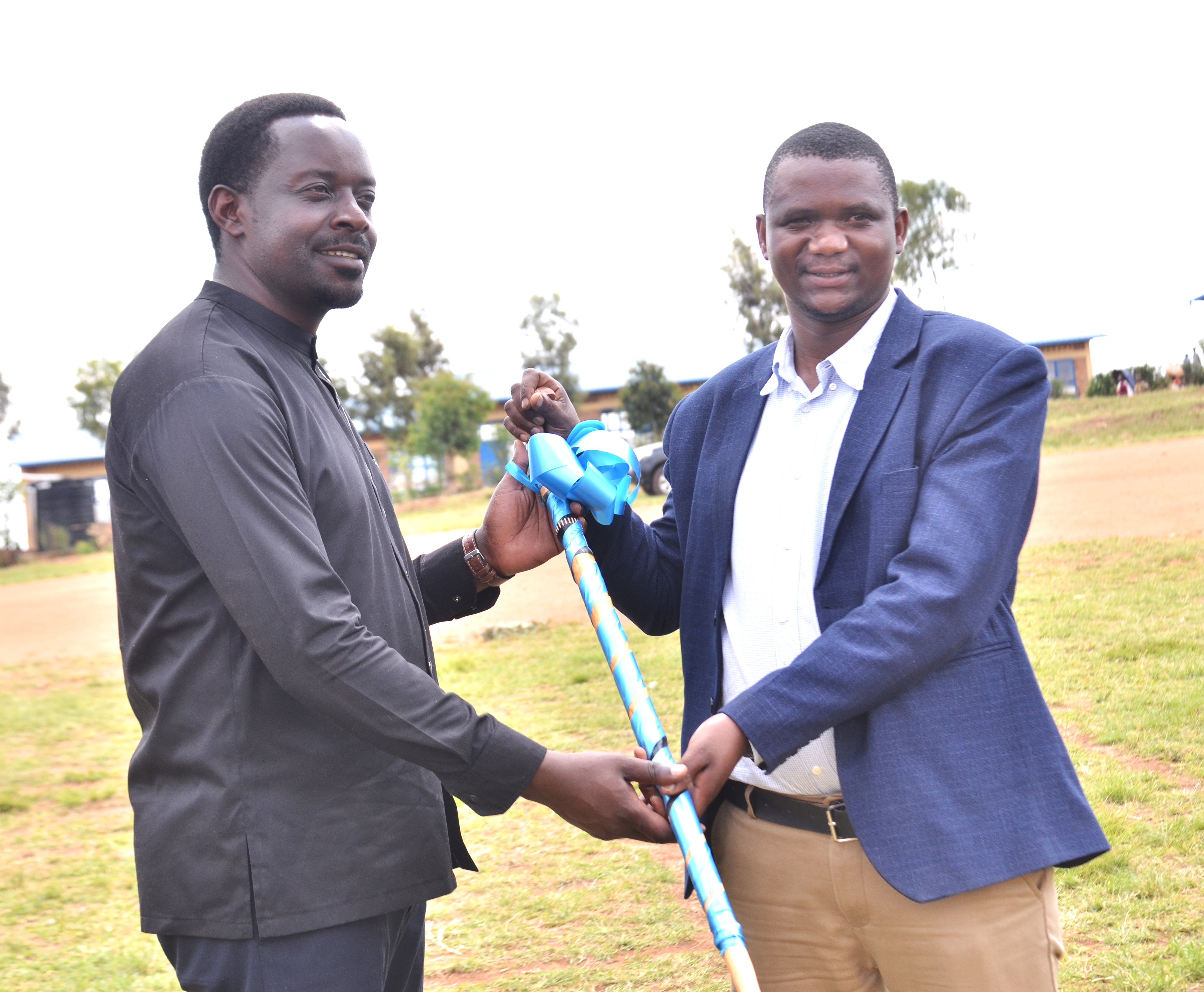
Nestled in the rolling hills of Rwanda’s Northern Province, Gicumbi District is fast becoming a model for rural transformation, showcasing remarkable achievements in socio-economic development, environmental sustainability, and infrastructure growth.
Recent findings from the Seventh Integrated Household Living Conditions Survey (EICV7) and complementary government data point to Gicumbi’s impressive progress across multiple sectors. This upward trajectory reflects not only robust governance but also a community-driven commitment to inclusive development.
Socio-Economic Gains
According to EICV7, poverty levels in Gicumbi have steadily declined, with more households accessing essential services such as education, healthcare, and clean water. Youth employment initiatives and cooperative farming schemes have played a pivotal role in lifting many families above the poverty line. Women and youth empowerment programs have also gained momentum, spurring entrepreneurship and financial independence in traditionally underserved communities.
These efforts have been strongly supported by national and local programs such as Gira Inka, Duhurire mu Isibo n'Ingoga, Muturanyi, and Ngira Nkugire Tugere Ku Iterambere, which have promoted social cohesion, solidarity, and economic empowerment at the grassroots level.
 Gira inka program has been successful in Gicumbi District.
Environmental Sustainability
In line with Rwanda’s green growth agenda, Gicumbi has implemented a series of sustainable environmental initiatives. These include the promotion of agroforestry, improved land use management, and the introduction of energy-efficient cooking technologies. The district has also been recognized for its efforts in climate resilience, particularly through projects that aim to prevent soil erosion and rehabilitate degraded landscapes.
Projects like the Green Gicumbi Project and PRISM Project have been instrumental in promoting environmental sustainability, improving land use, and increasing the community's capacity to adapt to climate change.
 Kaninga Model Village, one of the acheivement of Green Gicumbi Project.
Infrastructure Development
Infrastructure development in Gicumbi has accelerated over recent years. New feeder roads, bridges, and market facilities have boosted access to services and improved connectivity within and beyond the district. Expanded access to electricity and mobile networks has not only enhanced quality of life but also opened new avenues for business and innovation.
A Model for Replication
Local leaders attribute Gicumbi’s progress to strong collaboration between government agencies, development partners, and local residents. "The success we see today is rooted in community ownership and evidence-based planning," said NZABONIMPA Emmanuel, Mayor of Gicumbi District. “We are building a Gicumbi that is inclusive, green, and resilient.”
As Rwanda continues to pursue its Vision 2050 objectives, Gicumbi stands as a testament to what can be achieved when policy meets grassroots participation. The district’s journey offers valuable lessons for other regions striving for holistic, sustainable development.